Embroidery Machine: A Soft, Meaningful Script for Handmade Gifts
First Impressions: Warmth, Whimsy, and Handmade Heart
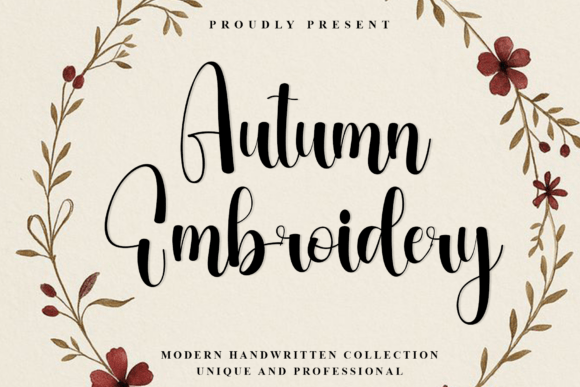
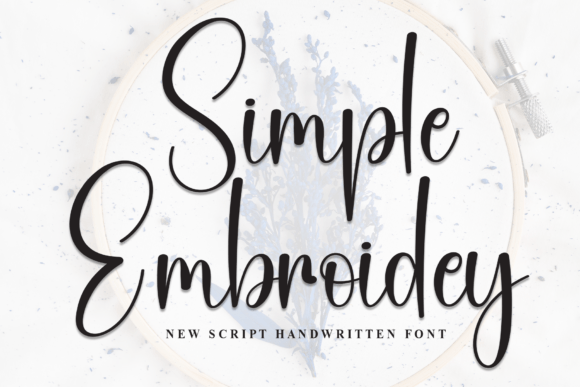
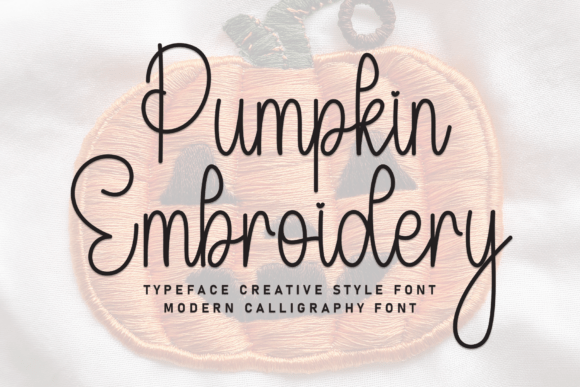
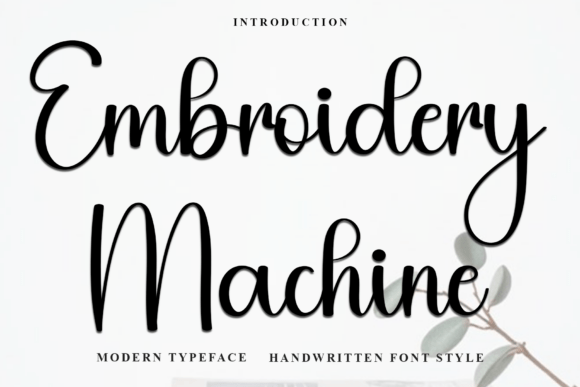
As an embroidery designer who’s stitched thousands of personalized gifts—from newborn onesies to heirloom wedding towels—I opened Embroidery Machine with quiet anticipation. What greeted me wasn’t just another script font—it was a gentle, confident voice on thread. The Script Handwritten style feels intentionally soft, with delicate entry and exit strokes, subtle swelling in the downstrokes, and a graceful, unhurried rhythm. It doesn’t shout; it leans in. That’s rare. In a sea of over-embellished or overly tight scripts, Embroidery Machine breathes. It reads as sweet without saccharine, elegant without stiffness, and romantic without being fussy. Whether you’re stitching “Welcome Home” on a linen pillow cover or “Little One” on a baby blanket, this font carries emotional weight—not just decoration.
Where Embroidery Machine Truly Shines
This isn’t a one-trick font. Its versatility is rooted in authenticity—not trend-chasing. Here’s where it consistently delivers in real-world handmade projects:
- Baby embroidery: Perfect for nursery wall art, embroidered burp cloths, or monogrammed swaddle blankets—its softness mirrors the tenderness of early parenthood.
- Wedding gifts: Stitch “Forever & Always” on cotton tea towels or “Mr. & Mrs.” on linen napkin sets. It reads intimate, not generic.
- Family keepsakes: Think personalized throw pillows (“The Smiths”), memory quilts (“Est. 2020”), or holiday ornaments (“Our First Christmas”). The handwritten charm invites connection.
- Nursery decor & embroidered towels: Works beautifully on terry cloth when digitized thoughtfully—soft curves hold up well against texture without looking muddy.
- Pillow covers, aprons, and tote bags: Adds artisanal warmth to everyday items. Customers notice the difference between “printed” and *stitched with care*—and Embroidery Machine signals the latter.
- Etsy listings & craft fair products: Elevates your product photography instantly. Even flat-lay shots gain depth and personality because the lettering feels human-made, not algorithm-generated.
Practical Embroidery Notes You’ll Want to Know
Let’s be honest: beauty means little if it doesn’t stitch cleanly. After testing Embroidery Machine across several fabric types—including textured towels, lightweight cotton voile, and medium-weight fleece—I observed how its design choices impact real-world execution:
- Small lettering: Avoid going below 1.5" height for dense fabrics like terry or fleece. The soft terminals can blur if scaled too small—always test stitch-out first.
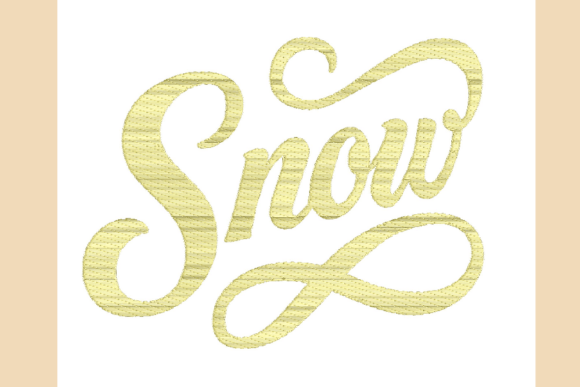
- Delicate shapes & stitch density: This font balances flow and structure well. It’s not overly dense, which helps prevent puckering on stretchy baby clothes or thin knits—but still carries enough body to read clearly on dark fabric.
- Fabric texture & stabilizer: For towels or thick blankets, use a medium-weight cutaway stabilizer. On smooth cotton or linen, a light tear-away works beautifully—letting the script’s softness shine through.
- Thread colors: Pair with matte cotton threads (like Sulky or Isacord) rather than high-sheen rayon for maximum cozy, handmade appeal. Try heathered grays, oatmeal, or dusty rose—they complement the font’s gentle tone better than stark black or neon brights.
- Washing durability: Because the design avoids ultra-thin hairlines and excessive underlay, it holds up well through gentle machine wash cycles—ideal for baby blankets or kitchen linens meant to be loved and used.
Why Your Customers Feel the Difference
When someone receives a gift stitched with Embroidery Machine, they don’t just see text—they feel intention. That matters deeply in today’s handmade market. Buyers scroll past mass-produced fonts daily; they pause for something that looks *made for them*. This font strengthens customer trust: it signals you invest time in thoughtful details—not just speed or scale. It lifts perceived quality, even on modestly priced items like embroidered gift boxes or custom aprons. And because it photographs so well (clean lines, balanced spacing, natural contrast), your Etsy listings gain more engagement—and more sales.
Your Next Steps Before Stitching
Before adding Embroidery Machine to your next order or digital embroidery file collection, take these simple but essential steps:
- Create a test stitch-out on the exact fabric and stabilizer you’ll use for your final project.
- Check small details after stitching—especially curved terminals and overlapping letters—to ensure clarity.
- Compare at least two thread color options side-by-side on your fabric; lighting changes everything.
- Confirm hoop size compatibility—some script fonts require larger hoops for full-word layouts.
- Review the product details and licensing terms on Creative Fabrica carefully—especially if you plan commercial embroidery or resale of finished products.
A Font That Feels Like a Handshake
In the end, Embroidery Machine does something quietly powerful: it bridges the gap between digital design and human touch. As a Fonts offering on Creative Fabrica, it’s more than a collection of letters—it’s a tool for storytelling. Whether you're stitching a baby’s name onto a cloud-soft blanket or “Together Always” onto a wedding towel, this script carries sincerity. It reminds your customers—and you—that handmade isn’t just about what you make. It’s about how it makes people feel. And that? That’s worth every careful stitch.