Stitch Pattern: A Delicate, Heartfelt Display Font for Embroidered Gifts
First Impressions: Soft, Romantic, and Unmistakably Handmade
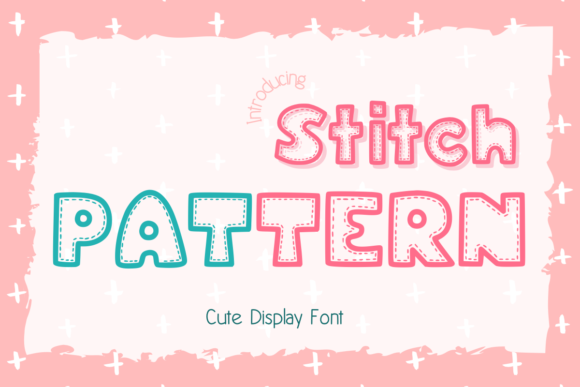
As an embroidery designer who’s stitched over 2,000 personalized gifts—from newborn onesies to heirloom wedding towels—my first glance at Stitch Pattern stopped me mid-thread. It’s not just a font; it’s a whisper of nostalgia wrapped in modern charm. The transparent letters, filled with subtle sewing-pattern motifs, feel like tracing paper laid over vintage dressmaker sketches—sweet but never cutesy, romantic without being fussy. There’s an intentional lightness to the design: open shapes, airy spacing, and delicate linework that immediately signals “handmade with care.” For customers seeking emotional resonance—not just text—Stitch Pattern delivers warmth before the needle even moves.
Where This Display Font Truly Shines
Stitch Pattern isn’t built for dense monograms or tight labels. It lives where meaning meets moment: baby embroidery on organic cotton blankets, embroidered towels gifted at bridal showers, pillow covers stitched with a child’s name beside a tiny heart, or custom aprons for small-batch bakers. Its display nature makes it ideal for focal-point pieces—think nursery wall hangings with “Little One” in soft pastel thread, or wedding towel sets with “Mr. & Mrs.” floating above lace-like stitch motifs. Because the letters are transparent and patterned, they invite layering: stitch Stitch Pattern over a tone-on-tone fabric base, or pair it with a simple satin-stitch border for contrast and clarity.
For Etsy sellers and small shop owners, this font adds instant storytelling value. A baby blanket with “Sweet Dreams” in Stitch Pattern reads as heirloom-quality—not mass-produced. Wedding gift buyers notice the detail: the way the “V” in “Valentine’s” echoes a seam allowance line, or how the “O” in “Mother’s Day” holds a miniature grid. That subtlety builds trust. It tells your customer, *I chose something special—not just readable, but meaningful.*
Real-World Use Across Your Product Line
- Baby embroidery: Perfect for organic cotton swaddles, muslin burp cloths, or knit crib blankets—just keep letter height above 2.5 inches for legibility on textured surfaces.
- Wedding gifts: Elevates embroidered hand towels, linen napkins, or cotton tote bags for bridesmaids. Pair with matte thread for a luxe, tactile finish.
- Family keepsakes: Names stitched onto memory pillows or framed hoop art gain quiet elegance with Stitch Pattern’s gentle rhythm.
- Nursery decor: Works beautifully on canvas wall art, wooden growth charts (stitched then mounted), or quilt labels—its transparency avoids visual weight in serene spaces.
- Custom home decor: Think tea towels, oven mitts, or linen drawer sachets—small runs where charm and cohesion matter more than speed.
- Craft fair & Etsy listings: Use Stitch Pattern in your printable mockups to showcase how finished products will look—customers instantly grasp the handmade nuance.
Practical Embroidery Notes You’ll Want Before Stitching
Because Stitch Pattern leans into delicacy, success depends on thoughtful execution—not just file selection. Here’s what I’ve learned stitching it across fabrics:
- Test first—always. Run a full-size test on your exact fabric: stretchy baby knit behaves differently than terry cloth or linen-blend towel. Watch how fine lines hold up after washing.
- Hoop size matters. Larger letters (3+ inches tall) stabilize better and reduce distortion—especially on plush or uneven surfaces like thick blankets or looped towels.
- Stabilizer is non-negotiable. Use medium-weight cutaway for knits, tear-away for stable wovens, and fusible + tear-away combo for dark or loosely woven fabrics. The transparent areas need firm backing to prevent puckering.
- Thread color contrast is key. On dark fabric, avoid light thread unless you’re adding a white underlay. On light fabric, try tonal embroidery—ecru on ivory, blush on oat—to preserve the font’s softness.
- Check stitch density. Overly dense fills can overwhelm the pattern’s transparency. If your machine allows, slightly reduce density in the inner motifs to let fabric breathe through.
- Washing durability? Reinforce high-friction zones (like towel hems or baby blanket corners) with a second stabilizer layer—and always pre-wash fabric to avoid post-stitch shrinkage surprises.
Why This Font Builds Emotional Value—Not Just Visual Appeal
In handmade gifting, perception is product. When a new mom opens a blanket stitched with Stitch Pattern, she doesn’t just see letters—she feels intention. That transparency? It mirrors vulnerability, tenderness, the openness of new beginnings. In wedding contexts, it echoes the careful planning of a sewing pattern—symbolic, grounded, personal. For Etsy shoppers scrolling fast, that emotional cue stops the scroll. It says, *This wasn’t auto-generated. Someone imagined this moment.*
That translates directly to buyer engagement: higher photo saves, longer listing dwell time, and repeat orders from customers who remember how “that font made my baby shower gift feel so personal.” As a designer, I’ve seen shops double their average order value simply by upgrading from generic fonts to curated display options like Stitch Pattern—not because it’s flashy, but because it deepens connection.
A Final Thought for Small Business Embroiderers
Stitch Pattern isn’t a workhorse font—it’s a signature accent. It won’t replace your go-to script for names or your bold sans for tags. But when you need to elevate a gift from “nice” to “unforgettable,” it earns its place in your Creative Fabrica embroidery library. Before using it commercially, review the licensing details on Creative Fabrica—especially for digital embroidery file resale or printed mockup use. And remember: the most compelling handmade product isn’t just well-stitched. It’s thoughtfully chosen, respectfully executed, and quietly full of heart. Stitch Pattern helps you sew all three.