Cherry Knot Number 1 Embroidery Design Review
First Look at the Cherry Knot Number 1
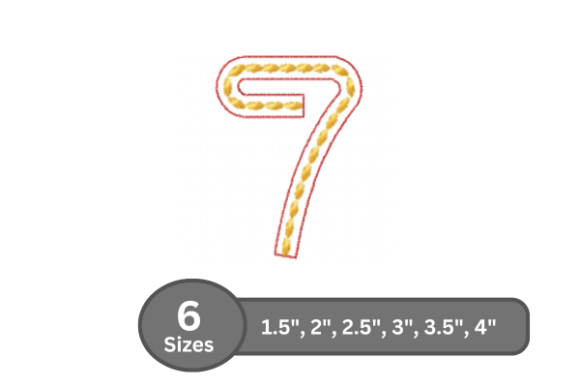
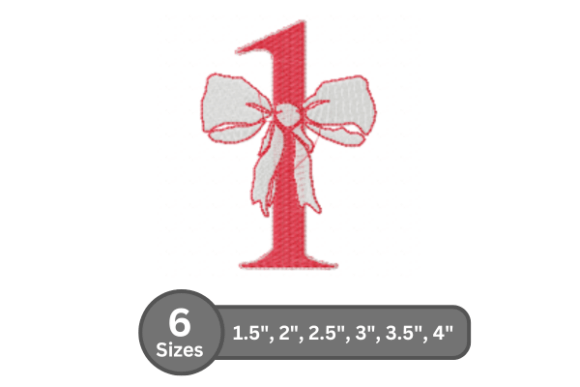
When I pull up the Cherry Knot Number - 1 on my screen, the first thing I notice is the texture. It’s a stylish stitched font that reads like a hand-embroidered knot, not just a flat satin column. This is a machine embroidery design made to look like woven thread, with subtle loops and gaps that give the digit a homespun, almost rustic quality. For a craft fair product, that matters. Customers don’t just want a number; they want something that feels intentional, something that looks like it took time – even if your machine did the work in minutes.
The design sits in the Monograms category, but a single number opens up a different kind of storytelling. It’s less about initials and more about milestones. I immediately picture this on a first birthday onesie, a “1” anniversary tea towel, or a boutique market tote celebrating a shop’s first year. The knot style keeps it from being too childish or too formal. It’s versatile, and that’s gold in a handmade shop.
Why This Design Works for Craft Fair Sellers
At a busy weekend market, you need embroidery designs that grab attention from across the aisle. A lone number might seem simple, but the Cherry Knot font gives it dimension. The open spaces in the stitch pattern allow the fabric color to peek through, which means the same design can look completely different on a natural linen versus a dark denim. That visual flexibility is a huge asset when you’re displaying a mix of handmade products on one table.
Numbers also trigger an emotional response faster than letters. A “1” sells a story of beginnings, firsts, and singular achievements. As a booth owner, I can group a “1” on a canvas tote with a “first birthday” theme, or pair it with a monogram letter on a coordinating set. The multiple sizes mentioned in the product description make it even more practical. A small version can act as a subtle corner accent on a napkin; a larger one becomes a bold focal point on a tote bag or apron bib.
Product Ideas That Move at a Handmade Market
After testing this design on scrap fabric, I’ve mapped out the items I’d confidently bring to my next fair. Here’s where the Cherry Knot Number - 1 shines brightest:
- Totebag designs: A large, centered “1” on a natural cotton tote. It’s a perfect gift for a first birthday, a new home, or a business anniversary. The knot texture makes it look like a high-end boutique item.
- Apron embroidery: Stitch it small on the chest pocket of a linen apron. It gives a subtle, personalized touch without screaming “branded.”
- Tea towel embroidery: A single “1” paired with a small floral wreath or a simple “Est. 2024” on a flour sack towel. This is the kind of item that sells itself when displayed in a rustic kitchen setup.
- Embroidered patch: Hoop a sturdy twill, stitch the design, and finish the edges. A standalone “1” patch appeals to jacket decorators, sports fans, and kids’ denim projects. Patches are impulse buys that boost your average sale.
- Pillow covers: A 16x16 cotton cover with an oversized “1” in a contrasting thread color. It’s a fast, high-margin product that photographs beautifully.
- Small pouches: A tiny “1” on a zipper pouch feels like a secret detail. It’s ideal for a “one of a kind” gift message.
Stitching and Production Realities
Now, let’s talk practicality. Before you mass-produce any machine embroidery design for a craft fair, you need to test it thoroughly. The Cherry Knot font uses intentional gaps to create that woven look, which means stitch density is not uniform. On a smooth quilting cotton, it stitches out beautifully. On a textured towel or a thick canvas, those open areas can close up or get lost in the pile.
I always recommend testing on the exact fabric you’ll sell. If you’re planning tea towels, run a sample on a waffle weave and a flat weave. The knot details may look completely different. For dark fabrics, choose a thread color with high contrast – a cream or bright white against navy makes the knot texture pop. On light fabrics, a muted terracotta or sage green thread turns the number into a soft, farmhouse-style accent.
The multiple sizes are a practical gift. A smaller version is perfect for a cap or a patch, while the larger one works for tote bags. But remember, the smaller you go, the more those delicate knot details risk becoming a blur. If the design includes extremely tiny satin stitches in the loops, they might not render cleanly on a 4x4 hoop. Check the minimum size recommendation from the digitizer. If it’s not provided, stitch a test at 50% scale on a dense fabric and judge the clarity yourself.
Stabilizer choice is critical. On a stretchy onesie or a soft t-shirt, I use a cut-away stabilizer to prevent the knot design from distorting during wear. For a structured tote, a tear-away is enough. For a towel, I float a layer of wash-away topping so the stitches don’t sink into the loops.
Booth Display and Customer Engagement
When I set up a table, I think in terms of visual anchors. The Cherry Knot Number - 1 works as a strong anchor because it’s bold yet neutral. I’d hang a large tote with the number on a hook at eye level, then surround it with smaller items featuring the same design in different colors. A customer who wouldn’t stop for a plain letter might pause for a “1” because it feels symbolic.
Pairing is everything. If you also sell alphabet letters, create a display that shows how a number and a letter can form a monogram. A “1” next to a “A” on two matching tea towels tells a story of a first anniversary. A “1” and a “B” on onesies side by side suggests a first birthday and a baby name. This kind of storytelling encourages multi-item purchases.
For Etsy sellers and online shops, this design photographs well. The knot texture catches light and creates natural shadows, so your product photos look dimensional even without heavy editing. Flat lays with styled props – a sprig of dried lavender, a wooden spoon, a vintage key – instantly convey a handmade, curated feel. But remember to show a close-up of the stitch detail. Buyers want to see the quality of the embroidery before they purchase a finished item.
Careful-Use Notes for Small Shop Owners
No design is without its quirks. Here are my honest observations after working with the Cherry Knot Number - 1:
- Dense stitch areas: The knot intersections may build up thread. If your machine struggles with heavy stitching, watch for thread breaks or needle deflection.
- Small lettering and details: If the design includes any tiny decorative elements inside the number, they might not survive a wash cycle on a loosely woven fabric. Test wash before selling.
- Curved surfaces: On a cap, the number may distort if the design is not specifically digitized for caps. The knots can pull unevenly on a curved bill. Stick to flat or gently curved surfaces unless you’ve tested it.
- Thick fabric and textured towels: The open stitch pattern can sink into terry cloth. Use a topping and slow your machine speed.
- Dark fabric: If you use a dark thread on a dark background, the knot effect disappears. Always contrast the thread color.
- Size reduction: Don’t shrink the design below the digitizer’s recommended size. The open loops may close up and turn into a solid blob.
Commercial Embroidery and Licensing Check
Before you stitch a single tote for sale, confirm the commercial license on the digital embroidery file. Many designers allow you to sell finished products at craft fairs, but some have restrictions on volume or online sales. The product description doesn’t explicitly state the terms, so reach out to the designer or check the listing. As a small shop owner, you can’t afford to assume.
This design is likely to be a favorite for repeat production. Once you’ve dialed in the settings, you can batch out a dozen patch sets or tea towels in an afternoon. The multiple sizes let you offer a range of price points. A small embroidered patch on a keychain might sell for $8, while a large tote bag could go for $35. That variety keeps your booth accessible to different budgets.
How the Cherry Knot Number 1 Boosts Your Brand
Consistency is the secret to a recognizable handmade brand. Using a single, well-chosen design like this number across various products creates a cohesive collection. Your tote bags, kitchen towels, and pouches all feel like they belong together. The knot style gives them a handmade, slightly vintage vibe that appeals to the farmhouse and modern rustic buyers I see at every market.
For an Etsy seller, this design works as a printable mockup asset too. You can create listing photos with the design digitally placed on different items, but I always recommend having at least one real stitched sample. Customers trust a real photo of a stitch-out more than a mockup. The texture of the Cherry Knot is what sells it, and a flat graphic doesn’t convey that.
In terms of thread colors, I’ve found that a single color stitch-out keeps the design clean and elegant. But if you want to experiment, try a variegated thread that shifts from cream to light gold. It adds an extra layer of texture that mimics hand-dyed fibers. Just be careful with metallic threads – the knot details can cause extra friction and breakage.
Final Thoughts for the Craft Fair Booth
After several rounds of testing, the Cherry Knot Number - 1 has earned a permanent spot in my production lineup. It’s not just a number; it’s a design that feels considered. It works as a large hero piece on a tote, a small accent on a patch, or a charming detail on a tea towel. It fits the monogram trend but with a twist that appeals to buyers who want something less traditional.
If you’re building inventory for a weekend market, start with a few sample pieces in different sizes and thread colors. Watch how customers react. I’ve noticed that numbers often sell faster than letters because they speak to a specific occasion. The “1” is a celebration, and people are drawn to that. Display it prominently, pair it with complementary items, and let the stitch texture do the selling for you.
As always, remember to test your hoop size, check stitch density on your chosen fabric, use the right stabilizer, and keep a sharp needle. A little preparation turns a good machine embroidery design into a profitable handmade product that buyers will love.