Cherry Knot Number - 3: A Designer’s Craft Fair Review
First Impressions of Cherry Knot Number - 3
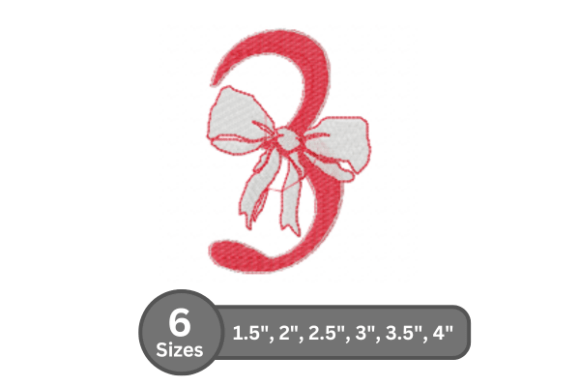
When I first pulled up Cherry Knot Number - 3, I immediately saw a design that understands booth appeal. It is not a generic digit—it is a machine embroidery design of the number 3 rendered in what feels like a hand-knotted stitch texture. The description calls it a stylish stitched font, but honestly, the knot effect gives it a warm, tactile personality that reads beautifully on fabric. I could already picture it centered on a linen tea towel, anchoring a set of personalized kitchen textiles.
The style leans modern farmhouse with a twist of rustic elegance. It is not overly cutesy, not overly formal. That balance is exactly what you want at a craft fair where shoppers range from young couples looking for a first-home gift to grandmothers who love classic monograms. The knot texture adds visual interest without making the design too busy. From three feet away—the typical distance of a browsing customer—it looks like a thoughtful, premium embellishment, not a flat printed graphic.
Where Cherry Knot Number - 3 Belongs in Your Booth
I always evaluate a digital embroidery file by playing a mental matching game: which blank in my craft fair inventory would this design elevate instantly? Cherry Knot Number - 3 won that game five times over.
- Tote bags: A large, centered placement on a natural canvas tote bag transforms a simple carryall into a custom statement piece. The knot texture pops against the weave, and the number 3 can signify a birth date, anniversary, lucky number, or even a family size.
- Tea towels and aprons: This is where the design truly shines. A single Cherry Knot Number - 3 stitched in a deep cherry red or soft charcoal on a flour-sack towel screams “artisan kitchen.” For an apron, placing it on the chest pocket or bib creates a boutique-quality item that feels custom-made.
- Small pouches and zip bags: The number 3 works perfectly on a coordinating set of pouches. Customers love buying sets—a makeup pouch, a coin purse, a pencil case—all bearing the same initial or number. It suggests a complete gift.
- Pillow covers: A pair of 18x18 pillow covers with contrasting Cherry Knot Number - 3 designs on each? That is a high-margin decor item that photographs beautifully for Etsy listings.
- Market bags and caps: On a curved cap surface, the design needs careful hooping, but the knot motif remains readable. For lightweight market bags, it adds a handmade signature that helps the product stand out among mass-produced alternatives.
What I love most is that the number 3 is endlessly versatile. It is not just for monograms—it works for sports teams, birthday milestones, table numbers at a wedding, even a child’s backpack tag. A single embroidery file can fuel an entire product line if you think creatively.
Visual Appeal and Customer Engagement
Here is the real test: does Cherry Knot Number - 3 make someone stop, touch, and ask questions? Yes. The textured stitch effect invites touch. At a craft fair, that tactile moment is gold. Once a customer runs a finger over the raised knot-like stitches, the perceived value of the handmade product jumps. They are no longer looking at a printed tote—they are holding a piece of stitched art.
The design also photographs exceptionally well for printable mockup use. The shadows and highlights created by the knot texture give depth in flat photos, making your online listings look more professional. As an Etsy seller, I know that a listing photo that shows stitch detail can increase click-throughs because it communicates quality immediately.
Practical Production Notes from the Hoop
Before I ever stitch a design for my booth, I run a series of tests. Here is what I would do with Cherry Knot Number - 3 and what you should watch for.
Stitch Density and Detail Clarity
The knot texture likely relies on a dense stitch structure. On a smooth, medium-weight cotton or linen, that density will look plush and rich. On a thick, textured fabric like a heavyweight terry towel, those same stitches can sink or lose definition. I always test on the exact fabric texture I will sell. If you are planning tea towels, do not test on quilting cotton—test on the real woven towel. Use a stabilizer that matches the stretch and weight of the fabric. For towels, a medium-weight cutaway stabilizer is non-negotiable.
Sizing and Hoop Compatibility
The description mentions multiple sizes, which is a huge plus. I would check the smallest size carefully. A design with knot-like loops can lose clarity if scaled down too aggressively. Any tiny loops or connecting threads may blur or pucker. I always stitch out the smallest size on a scrap first and inspect it under good light. If the smallest version still reads clearly, you can confidently offer it on baby garments, small patches, or narrow items like hat straps. Confirm the hoop size required for each file—nothing slows down production like realizing the design does not fit the hoop you have available.
Thread and Color Choices
The name “Cherry” suggests a cheerful red, but do not limit yourself. I would test Cherry Knot Number - 3 in at least three colorways: a classic cherry red, a soft cream, and a muted sage green. These three palettes cover the rustic, neutral, and bright preferences of different shoppers. On dark fabric, a light thread creates high contrast and makes the knot texture pop. On light fabric, a slightly darker or even tonal thread can look incredibly elegant. Be mindful of thread contrast—if you go too subtle, the handmade detail disappears from a distance.
Fabric Placement and Hooping
For a centered design on a tote bag, mark the placement with a water-soluble pen. I find that the knot style works best when it is not competing with other visual elements. Keep the surrounding area clean so the number 3 remains the hero. On curved items like caps, the design must be hooped precisely, and I recommend a slower stitch speed to avoid misalignment of the knot details.
Display and Merchandising Strength
At a weekend craft fair, your booth display is your silent salesperson. Cherry Knot Number - 3 gives you a strong visual anchor. Because it is a single, recognizable digit, it can be used to create a cohesive collection. Imagine a display where every item features the same number 3, but in different sizes and thread colors. The repetition draws the eye and signals that you offer customization. Even if shoppers do not need a “3,” they will ask, “Can you do this in another number or letter?” That conversation is your opening to talk about custom orders and build a mailing list.
I also like to include one real stitched sample on a small patch or a fabric swatch that customers can handle. The knot texture is so tactile that a touchable sample increases the likelihood of a sale. Pair it with a simple printable mockup of the design on a tote bag in your portfolio book, and you have a powerful selling tool for both in-person and online marketing.
Commercial Use and Repeatability
As a small shop product maker, I need designs that are efficient to stitch and consistent in quality. Cherry Knot Number - 3 appears to be a design that, once tested and dialed in, will stitch out reliably. The knot pattern is likely a repeating structure, which means fewer trims and color changes. That makes it perfect for batch production. I could set up a hoop of six tea towels and let the machine run while I finish other tasks. Reliability is key when you are prepping for a busy market.
However, always confirm the commercial embroidery license before you sell finished items. The product description did not detail usage rights, so I would contact the digitizer or platform to verify that you can sell finished products made with the digital embroidery file. Many craft fair sellers make the mistake of assuming a design is commercial-ready, only to face issues later. Protect your small business by verifying the license. Also, check the file formats included—you need a format compatible with your machine brand.
Careful-Use Notes for Flawless Results
While testing, I would pay extra attention to any areas where the knot loops meet the background fabric. If the stitch density is too high, you might get puckering on lightweight fabrics. If it is too low, the loops may not form clearly. I always run a test stitch on a scrap of the exact fabric I plan to sell, using the same stabilizer and thread brand. Make notes on tension adjustments. For dark fabrics, a white or light underlay thread can prevent the top thread from looking dull. For small embroidered patches, be prepared to trim the fabric edge carefully so the knot design remains intact.
Also, consider how the design will hold up after washing. I launder a sample item at least twice before selling to ensure the stitches do not unravel or distort. The knot texture should remain defined and plush. If it degrades, I adjust the stabilizer choice or add a topper.
Final Thoughts for Craft Fair Sellers
After a thorough review, Cherry Knot Number - 3 earns a solid place in my craft fair lineup. It is a machine embroidery design that balances character with versatility, and it solves a real problem for handmade product sellers: how to offer personalized-looking items without the headache of custom digitizing for every order. The number 3 is a universal symbol, and the knot stitch gives it a distinct, premium feel that customers recognize as high-quality craftsmanship.
If you are an Etsy seller, a boutique maker, or a weekend market regular, this design can become a staple in your collection. Test it thoroughly, play with color, and display it proudly. I am confident that a well-stitched Cherry Knot Number - 3 on a simple tote or tea towel will stop shoppers in their tracks and turn a casual glance into a sale.