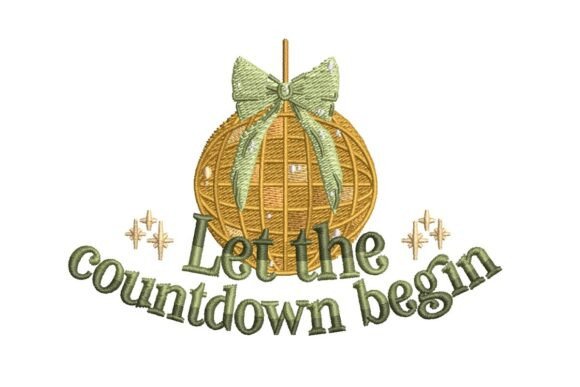
Let the Countdown Begin: A Dazzling Embroidery Design for Celebrations
As an embroidery designer preparing for a weekend craft fair, my first task is to evaluate which designs will translate into products that not only look beautiful but actually sell. When I look at Let the Countdown Begin, the immediate impression is festive and bold. It’s not subtle, minimalist, or rustic. It’s a dazzling, celebratory statement piece built around a disco ball motif, designed to sparkle into the new year or any major milestone. This emotional hook is its biggest selling advantage.
First Impressions and Booth Appeal
On a crowded craft fair table, amidst tote bags, aprons, and pillow covers, a design needs to grab attention from a few feet away. Let the Countdown Begin has that potential. The central disco ball concept suggests shine, celebration, and fun. It feels inherently festive and modern. Customers looking for a gift, or something to mark a personal occasion, will notice it quickly. The mood isn’t cute or farmhouse; it’s glamorous and party-ready. For a Holidays & Celebrations category, this is perfect. It’s not locked to one holiday, which is a major plus—it can sell for New Year’s, birthdays, graduations, anniversaries, or simply as a “celebrate life” piece.
Product Performance: Where It Stands Out
The real test is how this machine embroidery design performs on actual handmade products. I envision my booth display and consider each item.
Tote Bags and Market Bags
A tote bag with Let the Countdown Begin embroidered on the front pocket or side panel would be a strong seller. The design, if sized appropriately, becomes a focal point. On a solid-color canvas bag, the festive details would pop. It feels giftable—someone might buy it for a friend heading into a new chapter. The key here is ensuring the stitch density isn’t so high that it overly stiffens the fabric, but a good stabilizer choice solves that.
Aprons and Kitchen Towels
For an apron, this design leans more toward a decorative, “fun hostess” vibe rather than a utilitarian one. Placed on a bib or pocket, it could appeal to someone who loves entertaining. On a tea towel, the same applies. However, the texture of a kitchen towel can affect clarity; a smooth cotton twill is better than a highly textured linen for keeping the details crisp.
Caps and Patches
Caps are tricky due to the curved surface. Let the Countcount Begin needs to be tested on scrap cap material first. Small details or lettering in the design might lose clarity on the seamed, curved panels. An embroidered patch version, however, could be brilliant. A standalone disco ball patch allows customers to apply it to anything, making it a versatile, lower-cost item that’s perfect for a craft fair table.
Pillow Covers and Fabric Pouches
As a decorative element on a pillow cover, this design could elevate a simple product into a statement home accent for a party or celebratory space. Small fabric pouches or gift bags embroidered with it become instantly special, increasing their perceived value as a handmade product.
Practical Production & Selling Points
Turning a digital embroidery file into a batch of craft fair products requires practical thinking.
Understanding at a Glance
This design’s theme is clear: celebration and countdown. That’s an easy sell. You don’t need to explain it. Customers get it immediately, which is vital for fast-paced fair transactions.
Size and Scale
I would test Let the Countdown Begin as both a large focal design (for tote bags, pillows) and a smaller accent (for caps, pouch corners). The description mentions “the center of the piece,” so there’s likely a main focal element. One must be cautious: if there are tiny details or small lettering, they may vanish at smaller sizes, harming the design’s impact. Always test on scrap fabric at your intended hoop size before batch production.
Photography for Online Listings
For Etsy sellers and small shop owners, this design should photograph well. The celebratory theme lends itself to bright, clean mockups. Using a printable mockup or a real photographed sample on a dark fabric could make the stitches pop, highlighting the handmade quality. Contrast is key—always check thread color contrast against your intended fabric colors.
Batch Production and Repeatability
Is this design repeatable for producing twenty tote bags? That depends on stitch count and density. Dense stitch areas can mean longer machine time and more thread changes. Without knowing the exact stitch count from the file, my advice is to create at least one real mockup and time the embroidery process. This tells you your production cost and helps price your finished product correctly. Also, always confirm commercial licensing before selling any products.
Careful-Use Notes for the Embroidery Designer
Here are the hands-on notes I’d jot down before loading the embroidery file:
- Fabric Choice: Dark fabrics will require light, possibly metallic or bright threads to keep the “dazzling” effect. On textured towels or thick fabrics like denim, use appropriate stabilizers to prevent puckering.
- Stitch Density: Be wary of very dense areas, especially if the disco ball has many small facets. This can lead to stiffness and potential thread breaks. Adjust tensions if needed.
- Hoop Size: Determine the minimum hoop size needed to maintain detail clarity. A too-small hoop might force you to shrink the design, losing impact.
- Thread Colors: The description says “dazzling.” Consider using a mix of standard and maybe one shimmer thread for key highlights to enhance the “sparkle” on the actual product, boosting its booth appeal.
- Real Mockup: Never skip this. Make one sample on the actual product fabric (e.g., canvas for a tote) to inspect spacing, stitch quality, and overall look. This sample also becomes your powerful booth display item.
Final Judgment for the Craft Fair Booth
Let the Countdown Begin is a strong contender for my celebration-themed product line. Its emotional appeal is universal and timely. It increases product value by turning a simple tote or towel into a commemorative gift. For brand consistency, if your shop focuses on joy, parties, or modern celebrations, this design fits perfectly.
In the booth, I would display it prominently on a few key items: a large tote bag as a focal point, a set of tea towels bundled together, and perhaps as patches displayed on a board for easy browsing. The engagement comes from its story—it’s not just decor; it’s for a milestone. I’d encourage buyers to think of it for their next celebration.
My final practical note to fellow embroidery business owners and boutique makers: This design has selling power, but its commercial success hinges on your production testing. Understand its requirements on your specific machines and fabrics. With that done, Let the Countdown Begin can truly sparkle on your craft fair table and in your online shop, helping customers celebrate their moments with a piece of your handmade craftsmanship.