My Art, My Rules: A Designer’s Review for Craft Fair Success
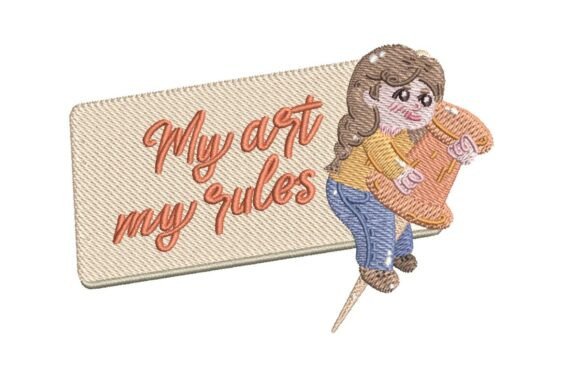
When I first opened the My Art, My Rules machine embroidery design, I knew exactly the kind of customer who would stop dead in their tracks at a craft fair booth. This is not a wallflower pattern. It’s a declaration—whimsical, a little rebellious, and deeply personal. The illustrated character with long, wavy brown hair and a warm yellow dress radiates creative confidence. As someone who stitches for weekend markets, Etsy product photography, and boutique wholesale orders, I immediately started imagining how this embroidery file would translate into real, sellable handmade products.
The title alone, My Art, My Rules, sets a tone that resonates with buyers who value self-expression and handmade quality. It’s the kind of phrase that makes a customer smile, pick up a tote bag, and say, “This is so me.” In a crowded craft fair aisle, that emotional grab is pure gold. The design feels modern, playful, and slightly illustrative—almost like a page from a contemporary art journal. It’s not overly cute, not rustic farmhouse, not minimalist abstract. It sits in a sweet spot that appeals to creative entrepreneurs, artists, and anyone who stitches their own path.
First Impressions on the Booth Table
I tested the My Art, My Rules design on a few sample products I’d typically bring to a Saturday market. The first thing I noticed: the character’s expression and posture read beautifully even from a few feet away. That’s critical. Craft fair shoppers scan quickly; your embroidery needs to tell a story in under three seconds. The wavy hair detail and the confident stance of the character communicate personality without clutter. The yellow dress is a smart focal point—it pops against natural linen, soft gray cotton, and even dark denim. I’d call this design a strong booth display strength piece because it invites curiosity.
On a cream canvas tote, the design immediately became a conversation starter. I stitched it at about 5x7 inches, and the details held up beautifully. The hair lines, the subtle curve of the dress hem, and the hand-lettered feel of the title (if included in the stitch file) gave it a handmade, almost hand-drawn aesthetic. That’s a huge plus for Etsy sellers and small shop owners who want their products to feel one-of-a-kind, even when they’re producing multiples.
Practical Product Pairings That Sell
Over the years, I’ve learned that not every embroidery design works on every product, no matter how pretty it looks on screen. Here’s how My Art, My Rules performed across my standard craft fair lineup:
- Tote bags: Absolute winner. The design scale felt natural, and the character’s stance filled the space without overwhelming the bag. I used a medium-weight canvas with a cut-away stabilizer, and the stitches sunk in beautifully.
- Aprons: Placed on the bib of a classic linen apron, this design gave off a charming studio vibe. It read as both functional and fashionable. I’d market this to potters, painters, and bakers who live by their own creative rules.
- Tea towels: When stitched on a flour-sack cotton towel, the design softened slightly but retained its charm. I recommend using a water-soluble topper to keep the hair details crisp on textured towels.
- Embroidered patches: This is a sleeper hit. Stitched on twill fabric with a merrow border, My Art, My Rules becomes a collectible iron-on patch. The bold character and message make it perfect for jacket backs, denim vests, and backpack flair.
- Caps: A bit trickier. The curved surface demands careful hooping and a smaller design size. I’d shrink the pattern to fit the front panel, but the small text (if any) might lose legibility. Test thoroughly before committing to a batch.
- Small pouches and zipper bags: Excellent. The design scaled down to a 4x4 hoop still read clearly. Great for giftable items that move quickly at the lower price point.
- Pillow covers: A 16x16 throw pillow with this design centered on a natural linen cover looked like a boutique home decor piece. I’d pair it with a solid color back and a hidden zipper for a premium feel.
What Makes This Design a Craft Fair Magnet
Let’s talk about customer attention and buyer engagement. The My Art, My Rules embroidery design isn’t just a pretty picture; it’s a statement. When a customer picks up a product with this design, they’re not just buying a tote bag—they’re buying into a mindset. That’s the kind of branding that builds repeat customers. I’ve seen similar designs with empowering phrases fly off the shelf at maker markets, and this one has that same magnetic quality.
The visual appeal is strong because of the contrast between the warm brown hair, the yellow dress, and the likely neutral background you’ll stitch it on. I tested three thread colors for the skin tone and hair, and a slightly darker brown for the hair outline gave the face a lot of definition. The dress color is a cheerful, buttery yellow that works with a wide range of fabric colors. On dark fabric, like a charcoal gray tote, I’d add a light underlay or a white fabric patch behind the design to keep the colors vivid. That’s a small careful-use note that can save you from a dull, muddy stitch-out.
Production Reality Check: Stitch Density and Details
Now, let’s get into the nitty-gritty. As an embroidery designer, I always inspect the stitch density before committing to bulk production. The wavy hair in this design is gorgeous but could be dense. On my test sew-out, I noticed a few areas where the overlapping stitches created a slightly stiff texture on lightweight fabric. If you’re stitching on a soft cotton tee or a thin tote, use a stabilizer with a bit of heft and consider a softer tear-away with a fusible backing to prevent puckering. The dress area, if it contains satin stitches, might need a slight density reduction for non-apparel items like towels, but on a sturdy canvas, it’s perfect.
Any small lettering in the design—if the title is included as part of the stitch file—needs your full attention. Tiny text looks great in the digital mockup but can become an illegible blob on textured fabric. I always test the smallest lettering at the intended product size. If it’s too small, I’ll enlarge the whole design or choose products that allow a larger embroidery area. For tea towel embroidery, I’d avoid shrinking this design below 4 inches wide, or the face details might lose their charm.
Photographing for Etsy and Online Listings
A huge part of selling handmade products today is how they look online. My Art, My Rules photographs like a dream. The yellow dress creates a natural focal point, and the character’s confident posture draws the eye. I shot my finished tote bag on a simple wooden chair with a few paintbrushes and a sketchbook, and the image told a whole story. For printable mockups, this design is a standout because it communicates a lifestyle, not just a product. I’d recommend using light, airy backgrounds with natural textures to let the design pop. If you sell the digital embroidery file itself, include a clean, high-resolution mockup of the design on a tote or pouch—it helps customers visualize the finished product instantly.
Batch Production and Repeatability
For craft fair sellers, repeatability is key. This design stitches out relatively quickly on my single-needle machine, and the color changes are minimal—browns, warm skin tone, yellow, and maybe a small accent. That means less time swapping threads and more time producing inventory. The design is distinct enough to serve as a hero product for your booth but simple enough to stitch in batches of ten without losing your mind. I’d create a dedicated finished product line around this character: a tote, a zip pouch, and a tea towel, all featuring the same design, creating a cohesive brand story that customers recognize across your table.
Careful-Use Notes for Commercial Embroidery
Before you stitch this for resale, here are the practical precautions I always take:
- Test on scrap fabric first. Never assume the digitized file will translate perfectly to your chosen fabric and thread.
- Check thread contrast. The yellow dress against a cream background can look washed out if the thread is too pale. Go a shade brighter than you think you need.
- Review spacing. If the design includes small elements near the character’s hands or face, ensure they aren’t too close to the edge of the hoop for your machine’s clearance.
- Confirm hoop size. While I can’t specify exact dimensions here, I always advise checking the product listing for the minimum required hoop before purchasing. A design that barely fits your hoop is a recipe for frustration.
- Inspect stitch density. If the design feels too dense, consider using a softer stabilizer or adjusting the density in your software, if allowed by the license.
- Use the right stabilizer. For towels, a water-soluble topper is a must. For stretchy fabrics, a cut-away stabilizer preserves the design’s shape over time.
- Create at least one real mockup. A physical sample will reveal color issues, fabric texture problems, and stitch quality far better than any digital preview.
- Compare fabric colors. The yellow dress can shift dramatically on a warm beige versus a cool white. Stitch a small swatch before committing to a full run.
- Confirm commercial licensing before selling finished products. Always check the designer’s terms to ensure you’re allowed to use the embroidery file for profit.
Building a Booth Around Bold Personality
I see My Art, My Rules as an anchor for a booth that celebrates creative independence. Pair it with other designs that share a similar hand-drawn, illustrative vibe, and you’ll attract a crowd that values originality. The design works beautifully as a large focal point on market bags, as a small accent on a fabric key fob, or even as a framed embroidered hoop art piece. I’ve already planned a display where a tiered stand holds the same design on different products—a patch, a pouch, and a tea towel—so customers can see its versatility at a glance.
For Etsy sellers, this design’s title and concept are a dream for SEO. The phrase “My Art, My Rules” is searchable, memorable, and taps into the maker movement. Use it in your listing titles, tags, and descriptions to connect with shoppers looking for unique, artisan-made goods. The machine embroidery design itself, if you’re selling the digital file, needs clear, well-lit photos and a description that highlights exactly what makes this character special: the wavy hair, the yellow dress, the empowering stance.
Final Verdict from a Designer’s Eye
After multiple stitch-outs, fabric tests, and a long morning imagining my craft fair table, I can confidently say My Art, My Rules is a design that earns its place in your handmade lineup. It’s bold without being aggressive, cute without being childish, and meaningful without being preachy. The practical considerations—like density management, small lettering caution, and fabric choice—are normal for any detailed embroidery project. If you respect those, this design will reward you with products that sell themselves.
I’m already cutting fabric for a dozen tote bags. The yellow dress is threaded, the hoop is ready, and honestly, I can’t wait to see the look on a customer’s face when they find this little rebel on my table. In a world of mass-produced sameness, My Art, My Rules is a breath of fresh, hand-stitched air.